News
The Mediterranean in a Glass: identity, volcanoes and islands in a thrilling tasting experience
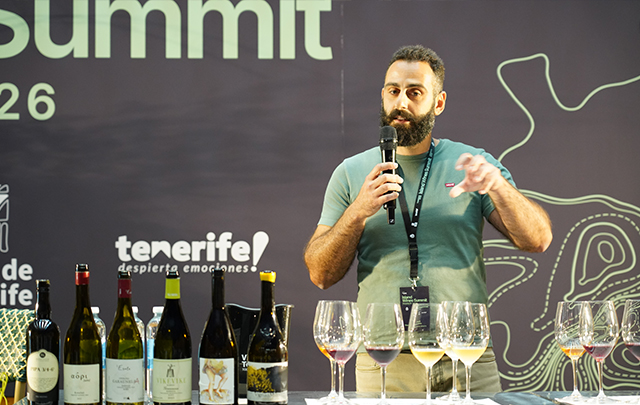
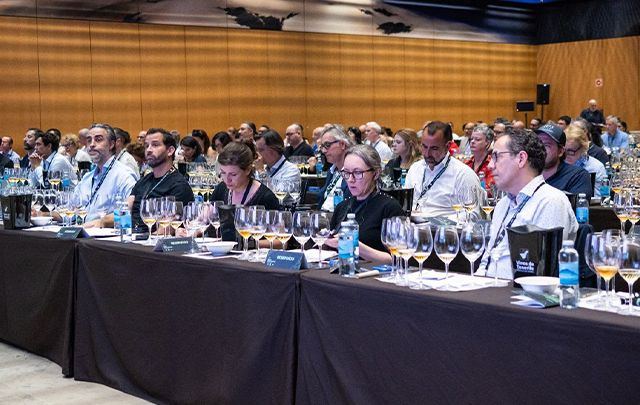
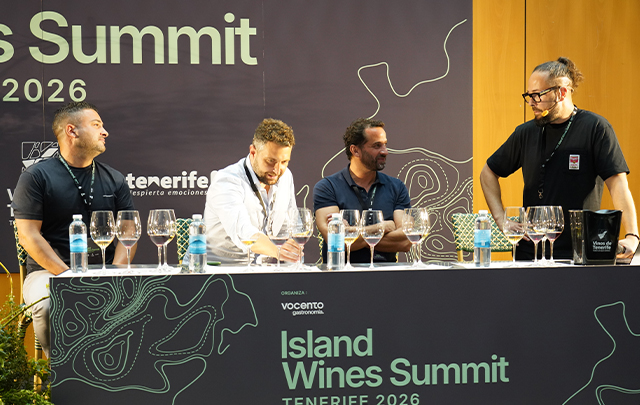
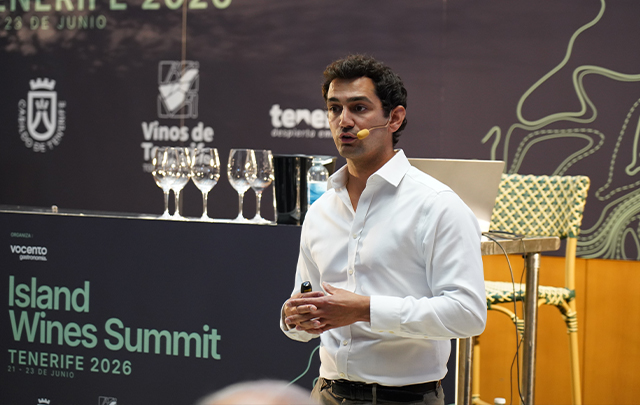
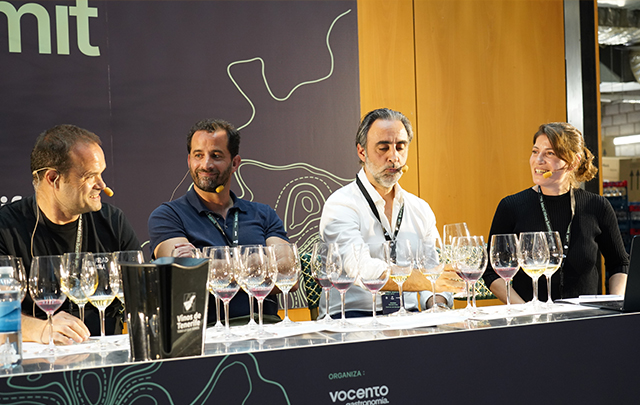
During a group wine tasting, Bernat Voraviu, founder of Ithaca Wines (Barcelona, Spain), described the Mediterranean as “the region with the highest cultural density in the world” and argued that wine is a mask behind which the identity of a place is concealed. He pointed out that 50 per cent of the world’s vineyards are located in this region and that, once their styles are clearly defined, the impact on fine wine globally will be enormous.
From Mount Etna, Andrea Foti, winemaker and producer at I Vigneri (Etna, Sicily), presented his Carricante from Milo, a vineyard perched between the sea and the crater, where a paradoxically rainy, high-altitude climate produces grapes with low alcohol content and high acidity. He explained how recent changes in volcanic activity are rejuvenating already ancient soils, forcing a re-evaluation of the terroir in a landscape being reshaped by lapilli.
Yiannis Kyriakidis from Cyprus, a winemaker at Vouni Panayia Winery (Cyprus), championed the legacy of an island with over 600 years of tradition, free from phylloxera and home to indigenous grape varieties planted in calcareous mountain soils. He described rain-fed viticulture, very late harvests (from late September to November) and a Mediterranean climate tempered by altitude, ideal for dry, food-friendly wines that are gaining ground over the traditional sweet wines.
Aimilios Andrei, co-founder of Aôri Winery (Crete, Greece), brought the discussion full circle with his vision of another ‘island continent’ characterised by the climatic barrier of the White Mountains, which trap the cold, snow and rain on the western side. There, he works with the rare Cosifalia grape, capable of delivering freshness, low alcohol content and taut red fruit even in warm conditions. For Andrei, the challenge lies in translating this diversity of soils—particularly the schists, which can be understood as a layered book—into precise, mineral-driven wines that are quintessentially Cretan.
The session left us with a central idea: the future of the Mediterranean does not lie in copying models from the north, but in listening to its geography, its islands and volcanoes, and allowing human experience to complete the story of its wines.
Related news
News
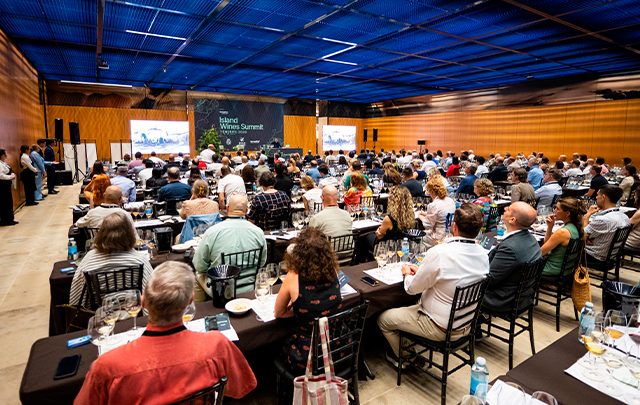
The Island Wines Summit in Tenerife is fostering a global community with a promising future for island wines
News
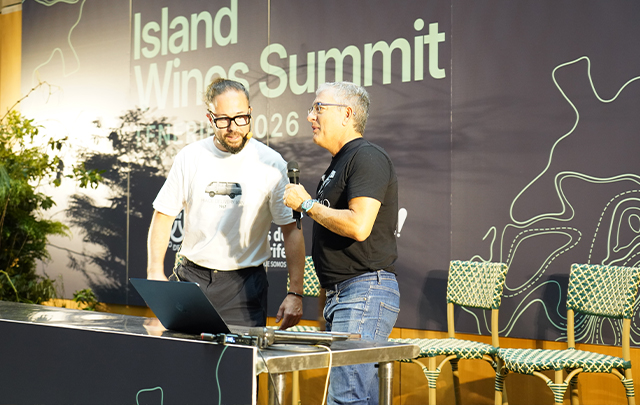
Volcanoes, the sea, and century-old vineyards: an in-depth look at Tenerife’s wines
News
Island wine establishes itself as a global category at the Island Wines Summit
News
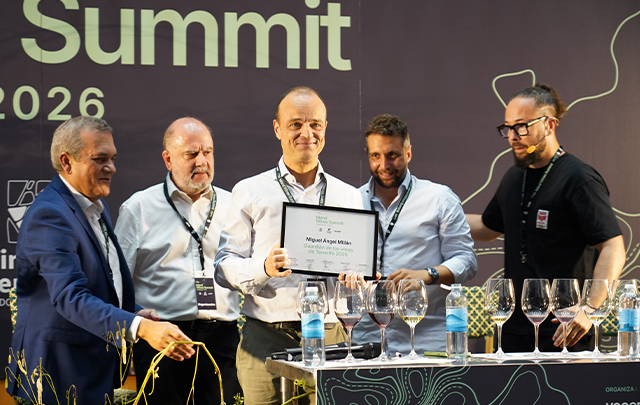
Miguel Ángel Millán, Guardian of Tenerife Wines 2026
News
Island status as a refuge for the Atlantic wine-growing heritage
News
Four Islands in Five Sweet Wines
News
The minerality of wine as a neurosensory experience
News
Island wines: the present and future in your glass
News
Island wines according to Pascaline Lepeltier: from a fragmented reality to a global category
News